Category: Foreign Policy
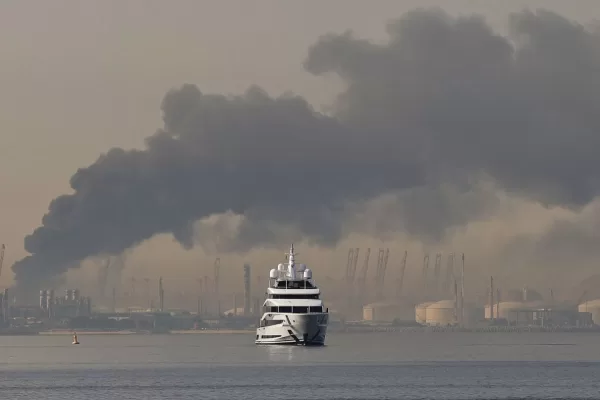
How Iran’s Infrastructure Leverage Can Change Washington’s Post-Hormuz Calculus
Professor Foad Izadi’s strategy is not retaliation—it is a preemptive final warning: destroy Gulf oil and water assets before the US can secure them. We test this ‘Game of Chicken’ with payoff matrices. Will Washington risk a two-year economic collapse, or will it pause?
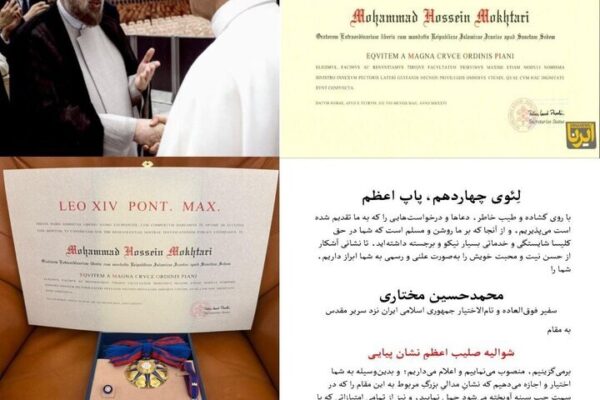
Vatican Hands Iran Its Highest Diplomatic Honor: A Direct Rebuke to Trump
In a stunning diplomatic move, Pope Leo XIV has awarded Iran’s ambassador to the Holy See, Mohammad Hossein Mokhtari, the Knight of the Grand Cross of the Pontifical Order of Pius IX, the Vatican’s highest active diplomatic decoration.
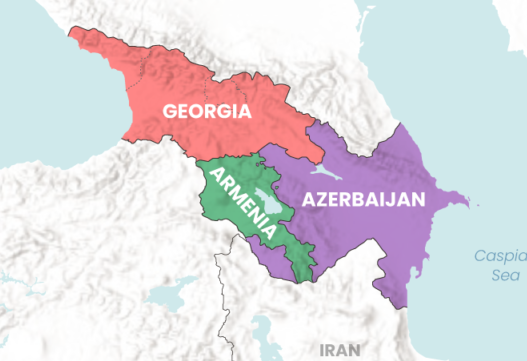
Is Iran Losing the Caucasus? Signals of a Regional Shift
Armenia’s shifting foreign policy and regional realignments signal major changes in South Caucasus geopolitics and Iran’s role.
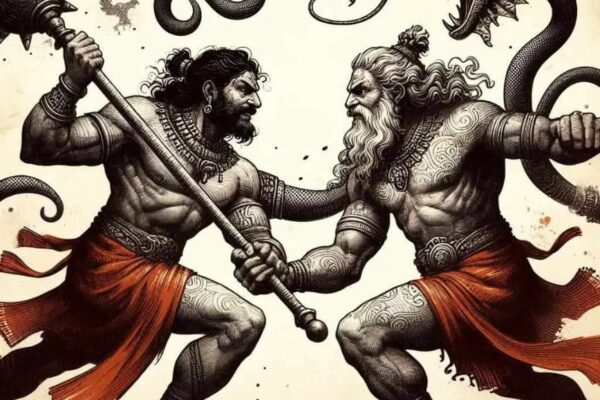
A Thousand Years of Darkness: Iran’s Resistance Is Not an Accident
In recent weeks, as US and Israeli airstrikes have devastated residential areas across Iran, a small faction of Iranian expatriates has celebrated the destruction—openly declaring their alliance with foreign powers to achieve regime change. But their joy reveals not strength, but desperation. Drawing on a thousand-year-old lesson from Ferdowsi’s Shahnameh—the cautionary tale of Zahhak, the foreign tyrant invited into Iran by those who sought power—this analysis examines why Iranians have never forgotten that inviting the foreigner in leads not to liberation, but to centuries of darkness. As the United States and Israel discover that their hoped-for quick victory will not come, Iran’s historical consciousness and national resilience are proving that a nation built on millennia of awareness does not surrender.
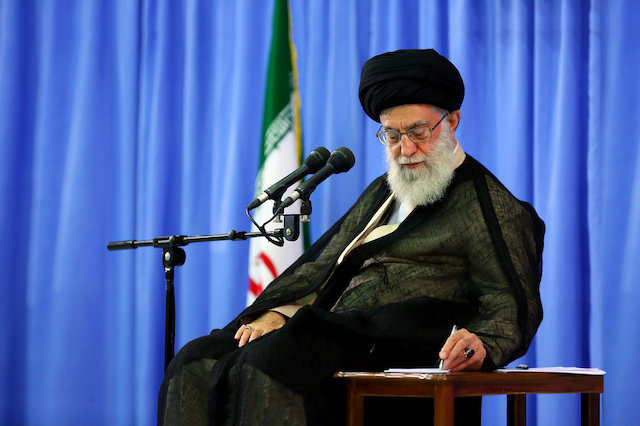
Reading Khamenei: A 2013 Perspective Validated by the War on Iran
The West usually incorrectly interprets the supreme leader’s messages. He, however, is much clearer about his position than other Iranian leaders. In sum, Khamenei does not oppose talks with the United States, but he distrusts US intentions. He is not driven by urgency and believes the burden is on Washington, not Tehran, to demonstrate good intentions.
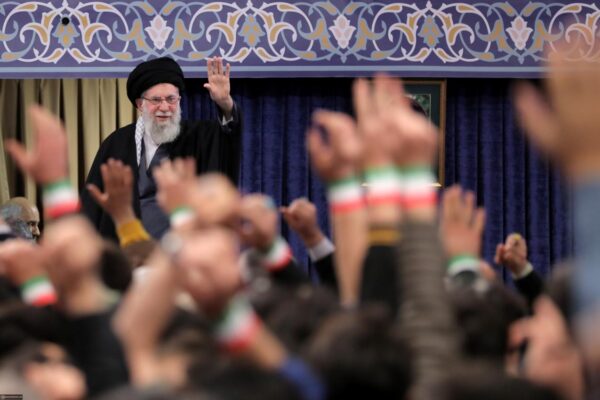
‘The Weapon More Dangerous Than the Carrier’: Ayat.Khamenei’s Full Message to America
In a sweeping address as Iran-US talks opened in Geneva, Supreme Leader Ayatollah Ali Khamenei delivered more than commentary—he drew the red lines. Rejecting any negotiation over Iran’s missile program, he warned Washington that “the strongest army in the world” could receive “such a slap that it cannot get back on its feet.” He described January’s unrest as a foreign-orchestrated “planned coup,” not a protest movement. And in a passage that captured global attention, he declared: “More dangerous than the carrier is the weapon capable of sending it to the bottom of the sea.” This is the full message—and what it means.
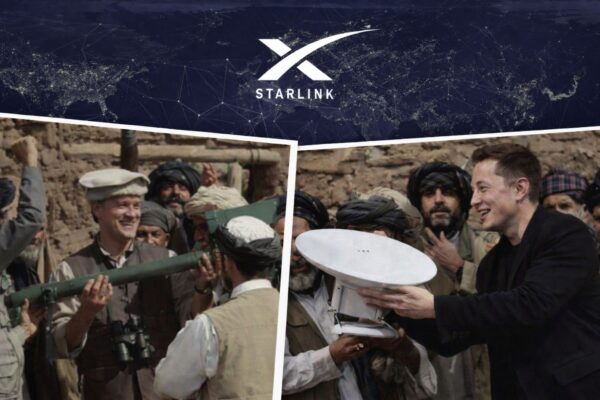
The ReNewed ‘Great Game’ in Eastern Iran
The security landscape in Iran’s Sistan-Baluchestan is increasingly defined by what analysts call “Balochicide”—terrorists targeting the very population they claim to represent. This analysis examines how foreign intelligence agencies (US, UK, Israel) are fueling instability through proxy groups like Jaish ul Adl, now rebranded as the Popular Fighters Front (PFF). From Starlink terminal smuggling via Sookhtbar networks to the jailhouse connections linking Baloch separatists across Iran and Pakistan, the piece traces a complex web of historical grievances and contemporary hybrid warfare. Featuring exclusive commentary from Aimal Faizi, former spokesperson for Afghan President Karzai, on the contradictory role of foreign figures like Dana Rohrabacher.